
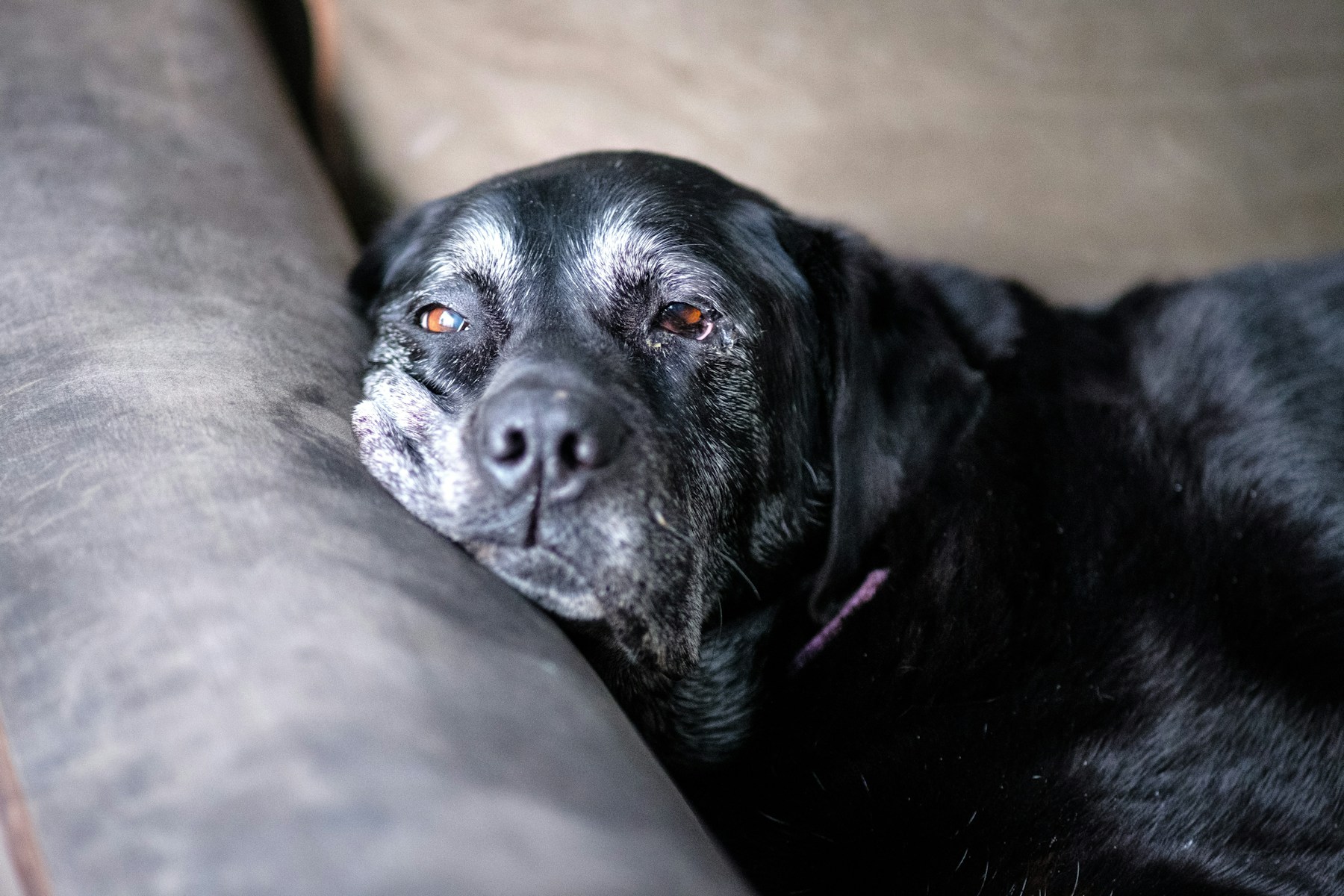
Watching your dog grow older is one of those things that happens so gradually you barely notice until one day you realize something has shifted. Maybe they no longer greet you at the door with the same energy. Maybe they hesitate before jumping onto the couch. These changes can be easy to dismiss, but they often represent real shifts in what your dog needs.
The truth is that dogs age at different rates depending on their size, breed, and individual health. Large and giant breeds may start showing aging signs as early as six or seven, while smaller dogs often do not reach senior status until ten to twelve. Regardless of timeline, the signs are often subtle. They show up in small adjustments to daily behavior, not dramatic moments. Learning to spot them is one of the most useful things you can do for your aging dog.
Changes in How They Move
Mobility shifts are often the first place owners notice something different. A dog who once bounded up the stairs might now take them one at a time. A dog who loved chasing balls might watch from the grass instead. These are not dramatic failures. They are subtle recalibrations.
Look for hesitation before movements that used to be automatic. Watch for a wider stance when standing or a slight wobble when turning. Notice whether your dog struggles to rise from a lying position, or whether they lag behind on walks they once handled easily. Some dogs develop a preference for certain surfaces, suddenly avoiding slick floors or opting for the grass instead of concrete.
These patterns do not always mean your dog is in pain, but pain and arthritis are important to rule out with your vet. They often mean your dog is adapting, and that adaptation is worth supporting. A simple ramp, a supportive harness, or a more comfortable sleeping surface can make a meaningful difference in daily life.
Shifts in Energy and Interest
Older dogs tend to slow down, but there is a difference between natural aging and a noticeable decline in engagement. A dog who used to follow you from room to room might now stay in one spot. A dog who always wanted to play might lose interest in toys they once enthusiastically chased.
Watch for changes in how your dog responds to things that used to excite them. Does the doorbell still get them up? Do they still show interest when you pick up the leash? These are not tests of loyalty or love. They are indicators of energy levels and, in some cases, age-related medical or cognitive changes.
Some dogs rest more as they age, which can be normal. But if you notice your dog sleeping far more than usual, or if they seem exhausted after activities that never used to drain them, that is worth noting. Similarly, if a dog who was always eager to eat starts picking at their food or showing less enthusiasm at mealtime, that change matters.
Bathroom Habits and Physical Signals
This one is easy to overlook because it is not always obvious. An older dog might need to go out more frequently, or they might have accidents in the house even though they were fully house trained for years. This is not defiance. It is often a sign of weakening bladder or sphincter muscles, joint pain that makes it hard to get up and outside in time, or cognitive changes that affect house training recall.
Nutramax Proviable-DC is especially relevant as dogs age because gut motility and microbiome diversity tend to decline over time, and keeping digestive regularity consistent makes a real difference in day-to-day comfort.
The Daily Dog earns commissions from qualifying purchases through affiliate links. We only recommend products we have personally used with Hazel or Kaia and clearly note what has helped them.
Pay attention to the consistency of bathroom habits. Are they drinking more water than usual? That can be a sign of several age-related conditions worth discussing with your vet, including kidney disease, diabetes, or hormonal disorders. Are they straining to urinate or having difficulty with bowel movements? These are signals that something is changing.
Some dogs also become more selective about where they go to the bathroom, avoiding certain surfaces or areas that are harder to reach. If your dog who always used the same spot suddenly starts using a different area, there may be a physical reason.
Social and Emotional Changes
Dogs communicate through behavior, and aging changes that communication. A dog who was always social might become more selective about which dogs they approach or how long they want to interact. A dog who loved attention might suddenly seem irritable or want more alone time.
These shifts can be mistaken for behavioral problems, but they can also be a dog’s way of responding to discomfort. Cornell’s Riney Canine Health Center notes that dogs in pain may react negatively to touch and can show uncharacteristic snapping or growling. A dog who suddenly growls when touched in a certain area may be reacting to pain or sensitivity they cannot express any other way. A dog who retreats to a corner might be seeking a quieter, more comfortable space.
On the other hand, some older dogs become more clingy, following owners more closely and seeming more anxious when alone. This can be a sign of canine cognitive dysfunction or sensory decline, or it can reflect a dog who feels more vulnerable and wants the security of their person’s presence.
What You Can Do
The most important thing you can do is pay attention. You know your dog’s normal behavior better than anyone. The changes described here are not about panic or rushing to the vet for every small shift. They are about noticing patterns and responding with small adjustments that improve quality of life.
Start with comfort. A better bed, a more accessible food and water setup, a ramp for the car or couch. These are changes that do not require a vet visit but can make a significant difference in daily life.
Consider your dog’s exercise routine. They may not need fewer walks, but they may need shorter walks at a slower pace. Mental stimulation matters too. Puzzle toys or gentle training sessions can help keep an aging dog engaged without physical strain.
Watch their weight. Older dogs often gain weight because their metabolism slows but their appetite stays the same, or because they are less active. Extra weight puts stress on joints and organs, making aging harder than it needs to be. Adjusting food portions or switching to a diet formulated for senior dogs can help.
Keep your vet informed. Even small changes are worth mentioning at your next appointment. Early intervention on conditions like arthritis, thyroid issues, or cognitive decline can improve comfort and help maintain quality of life for longer.
We use Nutramax Welactin 3 Canine Omega-3 to support joint and coat health as our dogs age, and Spot Pet Health Insurance to keep vet visits consistent without the financial stress.
The Daily Dog earns commissions from qualifying purchases through affiliate links. We only recommend products we have personally used with Hazel or Kaia and clearly note what has helped them.
Trust What You See
You do not need to wait for a crisis to make changes. The subtle signs your senior dog shows you every day are information. They are not causes for alarm, but they are reasons to pay attention and adjust.
Your dog has been reading you for years. Now it is your turn to read them. The small things you notice, the tiny shifts in routine, the quiet moments where something feels different. That awareness is the most powerful tool you have in supporting your dog through their senior years.
If something feels off, trust that instinct. You know your dog better than any checklist or guide. And the fact that you are reading this already tells me you are paying attention. That matters more than you might realize.

Samantha Tilton
I catch the things that are easy to miss. The small changes, the quiet signs, the details hiding in plain sight. I co-founded The Daily Dog because the best thing you can do for your dog is pay attention, and I write to help you know what to pay attention to.
