
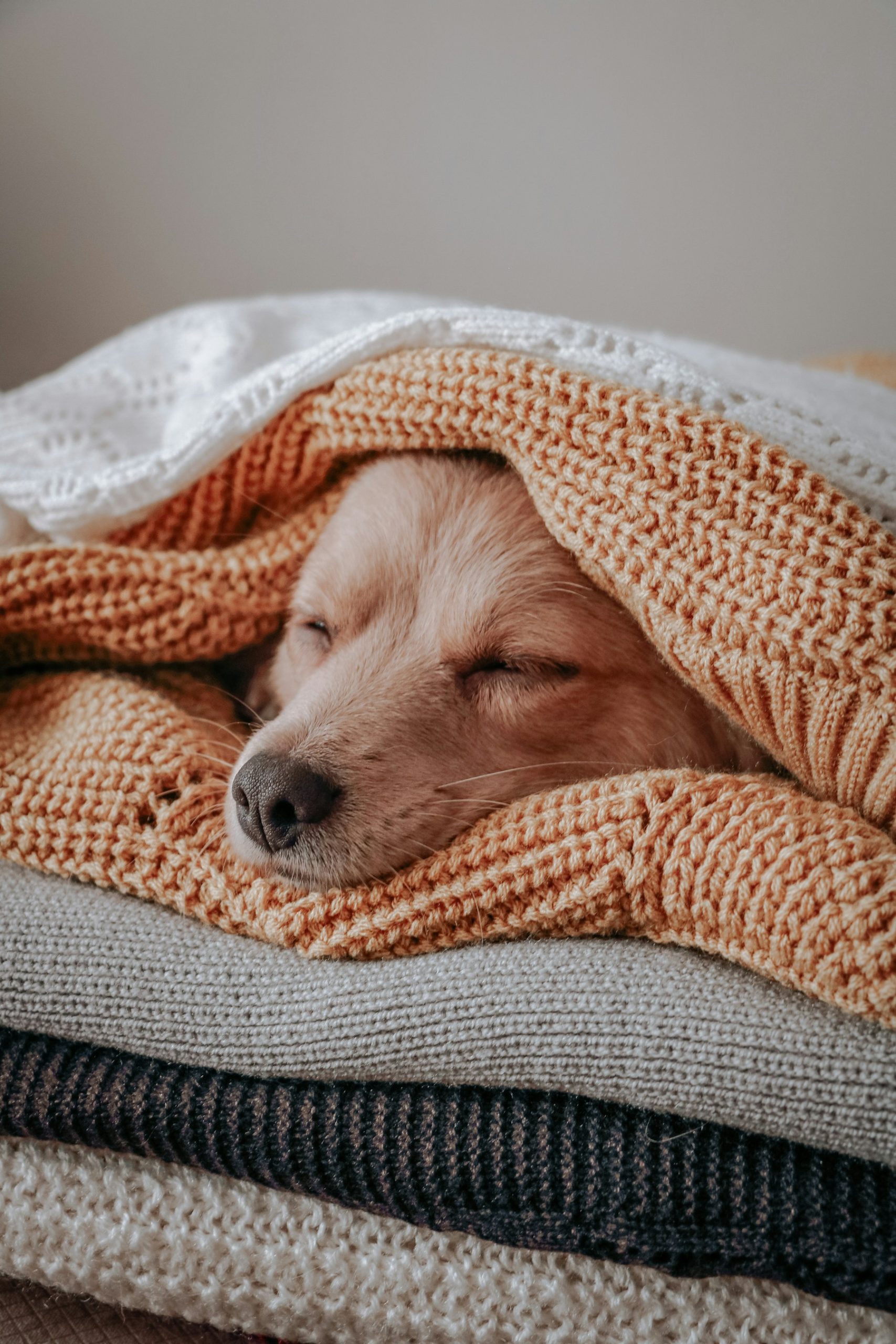
Most dog owners have seen their pet crash hard after a busy day and assumed that meant everything was fine. But sleep quality matters just as much as sleep quantity, and many dogs are not resting as deeply or as consistently as they could be.
That matters for every dog, but it feels especially important when you live with a dog who already has more on their plate. With Hazel, our Aussiedoodle with renal dysplasia, good rest has never felt like a small thing. When a dog is managing a chronic condition, the basics matter even more, and quality sleep is one of those basics.
Dogs, like humans, go through sleep cycles that include REM sleep, and research suggests sleep plays a role in learning and memory. A 2020 review in Current Opinion in Behavioral Sciences concluded that dogs show sleep-related memory improvement and that their sleep-wake patterns are shaped by social and environmental factors. A separate 2017 study in Scientific Reports provided experimental evidence of sleep-dependent memory consolidation in dogs. When dogs do not get enough quality sleep, it can affect behavior, stress levels, and overall well-being.
Puppies need the most sleep, often logging up to 18 to 20 hours per day to support rapid growth and development. Adult dogs generally average around 10 to 14 hours of sleep across a full day, including daytime naps. Senior dogs often spend more time resting, and age-related changes such as canine cognitive dysfunction can contribute to fragmented sleep and altered sleep-wake cycles. The amount of time spent lying down does not always tell you how restorative that rest really is.
Why Sleep Matters Beyond Just Rest
The effects of poor sleep can show up in ways owners do not always connect back to rest.
A 2022 study published in Animals found that dogs who slept less than six hours while their caregivers were in bed showed greater severity of caregiver-reported problem behaviors. The researchers also noted that dogs with generalized anxiety may rest in a more vigilant state and be more easily disturbed. That can create a frustrating cycle where poor sleep feeds behavior issues, and behavior issues make good sleep even harder.
For dogs managing health issues, sleep can matter even more. Dogs with kidney disease, for example, may deal with disrupted rest because of increased thirst, more frequent urination, discomfort, or medication effects. Giving these dogs a calm routine and a sleep setup that makes rest easier can meaningfully improve day-to-day quality of life. That is part of why sleep feels like such a big deal for Hazel. It is not just about having a peaceful night. It is part of helping her body handle everything else.
Common Reasons Dogs Sleep Poorly
Understanding what is getting in the way is the first step toward fixing it.
Discomfort From Bedding or Temperature
A bed that is too thin, too hard, too small, or placed in a drafty spot can make it hard for a dog to settle. Dogs are sensitive to temperature, and if they are too warm or too cold, deep sleep becomes less likely.
Noise and Environmental Disturbances
Dogs hear far more than we do. Traffic, hallway noise, household movement, and random sounds outside can all interrupt sleep. Some dogs are naturally light sleepers and wake up to things their owners barely notice.
Anxiety and Stress
Just like people, dogs can stay in a state of alertness that makes true rest difficult. Separation anxiety, noise sensitivity, routine changes, and tension in the home can all lead to restless sleep. An anxious dog may look like they are resting while never really relaxing.
Medical Conditions
Several health issues can interfere with sleep. Hormonal disorders, urinary problems, gastrointestinal discomfort, heart disease, pain, and age-related cognitive decline can all contribute to nighttime restlessness. If your dog’s sleep suddenly changes, it is worth taking seriously.
Irregular Routines
Dogs tend to do best with consistency. Late meals, wildly different walk times, overstimulating evenings, or an unpredictable bedtime routine can make it harder for them to settle.
Practical Steps to Help Your Dog Sleep Better
The good news is that there are several simple things you can do tonight.
Upgrade the Bed If It Is Not Working
A supportive bed that fits your dog’s size and sleep style can make a real difference. Older dogs and dogs with joint discomfort often benefit from orthopedic beds with better cushioning and support. Your dog should be able to stretch out fully without hanging off the edge.
We learned quickly that bed quality matters more than most people think. Hazel and Kaia are both obsessed with the PetFusion dog bed, and it is one of the few that actually became part of their sleep routine instead of getting ignored. If your dog always ends up on the couch, your bed, or the floor instead of their own setup, the bed itself may be part of the problem. Check out the bed here.
If you buy through this link, we may earn a small commission at no extra cost to you.
Build a Consistent Bedtime Routine
Dogs respond well to predictability. A calm evening rhythm helps. That might look like a final potty break, a short walk, a quiet wind-down period, and then bed at roughly the same time each night. The goal is to make bedtime feel familiar and boring in the best way.
Improve the Sleep Environment
Keep the space dark, quiet, and comfortably cool. A fan or white noise machine can help mask sudden sounds. Some dogs also settle better when they sleep in the same general place every night instead of being moved around.
Watch the Evening Energy
If your dog spends the last hour before bed in full chaos mode, that can spill into restless sleep. Gentle decompression tends to work better than revving them up late. Calm sniff walks, a lick mat, light enrichment, or quiet connection time can help bring their nervous system down.
Be Smart About Food and Water Timing
Avoid heavy meals right before bed if your dog seems uncomfortable overnight. At the same time, do not restrict water without veterinary guidance, especially if your dog has a medical condition. For dogs like Hazel, access to water is not something to casually limit.
Take Anxiety Seriously
If your dog sleeps lightly, startles often, paces at night, or never seems able to fully relax, anxiety may be part of the picture. The American Veterinary Society of Animal Behavior recommends reward-based training and behavior work, not punishment-based methods, when addressing fear and anxiety. A calmer dog usually sleeps better, and better sleep can help support calmer behavior in return.
Talk to Your Vet When Sleep Changes Suddenly
If your dog is suddenly waking repeatedly, panting at night, pacing, whining, asking to go out much more often, or sleeping far more than usual, it is worth a veterinary conversation. Sleep changes are sometimes one of the earlier clues that something else is going on.
What to Watch For
Pay attention to patterns, not just isolated rough nights. Sleeping much more or less than usual, waking often, seeming unusually tired during the day, or struggling to get comfortable can all be useful signals. A simple note in your phone about bedtime, wakeups, and anything unusual can give you a clearer picture fast.
Dogs are built to be active, curious, and engaged with the world, but they also need real rest to recover well. By paying attention to your dog’s sleep environment, routines, and health, you can help them get more restorative sleep and feel better during the day.
And if you are living with a dog who needs extra support, sleep stops feeling like a minor wellness tip and starts feeling like part of the foundation. That has absolutely been true for Hazel.

Samantha Tilton
I catch the things that are easy to miss. The small changes, the quiet signs, the details hiding in plain sight. I co-founded The Daily Dog because the best thing you can do for your dog is pay attention, and I write to help you know what to pay attention to.
