
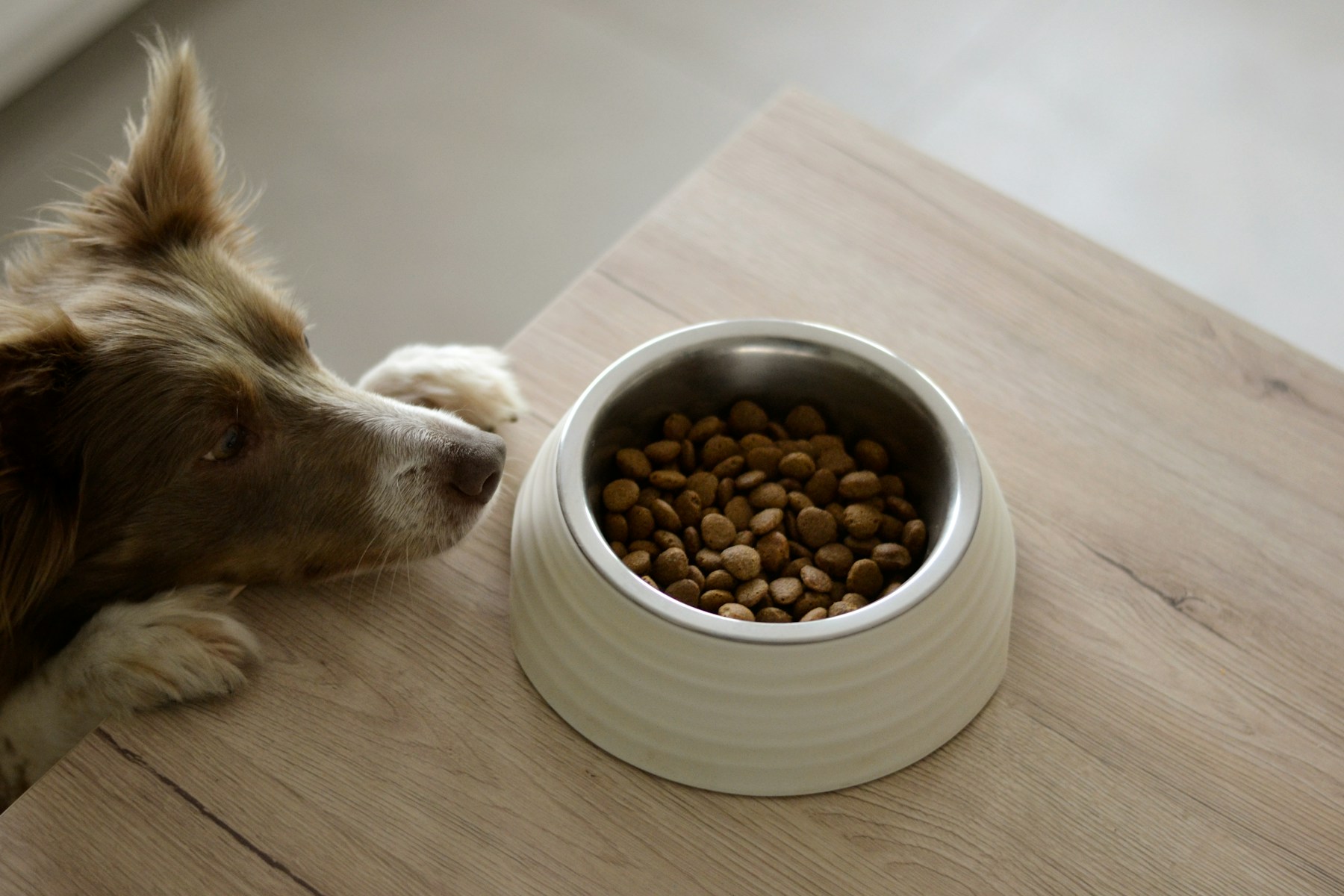
The bowl is full. Your dog walked past it twice. Three times. Now you are standing in the kitchen watching an untouched dinner like it personally offended you, and that sinking feeling in your chest is getting harder to ignore.
You are not overreacting. When a dog stops eating, something is wrong. The question is what, and how worried you need to be.
We know this feeling. Our Aussiedoodle Hazel stopped eating when she was 11 months old. Turns out she was fighting a rare kidney disease called renal dysplasia, a condition she was born with that we did not know about until her bloodwork came back abnormal. During that same workup, she also tested positive for Ehrlichiosis, a tick-borne illness that complicated the picture further. Today she is 2.5 years old and thriving on JustFoodForDogs Renal Support Low Protein and a five-supplement kidney protocol. But it started with a dog who would not touch her bowl.
We are proud affiliate partners with JustFoodForDogs, so purchases made through our links may help support our site at no extra cost to you.
If you are in this moment right now, this article is for you. Here is why dogs stop eating, when to worry, and what actually helps.
Why Dogs Stop Eating
Dogs go off their food for a wide range of reasons. Most fall into three buckets: medical, behavioral, and environmental. Figuring out which one you are dealing with is the first step.
Medical Reasons
Illness is the most common reason a dog suddenly loses interest in food. This includes gastrointestinal issues like nausea, stomach pain, or parasites. Respiratory infections can take away a dog’s sense of smell, and if they cannot smell their food they often will not eat it. Dental disease is another frequent culprit. The AKC notes that broken teeth, gum infections, and mouth sores make eating painful, and dental problems are one of the most common medical conditions in dogs.
More serious medical causes include kidney disease, liver problems, cancer, and autoimmune conditions. According to the AKC, two days without eating is a sign you should contact your veterinarian, especially in puppies, senior dogs, or dogs with known health conditions. Some medications also suppress appetite. If your dog started a new prescription recently, check the side effect profile or ask your vet.
Behavioral Reasons
Dogs are creatures of routine. A change in schedule, a move to a new home, a new pet or family member, even a loud argument in the house can throw some dogs off their eating. The AKC notes that social and emotional upheaval can affect a dog’s appetite, and a stressed dog may refuse food even when nothing else is medically wrong.
Boredom with a food can also do it. If you have been feeding the same kibble for months or years, your dog may lose enthusiasm. This is not a medical emergency, but it is worth addressing so nutritional gaps do not open up.
Environmental Reasons
Hot weather reduces appetite in many dogs. Changes in feeding location, bowl type, or elevation can also matter. Some dogs are sensitive to plastic bowls and prefer stainless steel or ceramic. If you recently switched bowls or moved where the food lives, that could be your answer.
Red Flags That Mean Call the Vet Now
Not every skipped meal requires an emergency run to the clinic. But some signs demand immediate attention.
Call your vet or an emergency vet if your dog has not eaten anything in 24 hours or longer, is also vomiting or has diarrhea, shows signs of pain such as whining or reluctance to move or hunched posture, has a temperature above 102.5 degrees Fahrenheit (normal for dogs is about 99.5 to 102.5, according to the AKC), is drinking significantly more or less water than usual, seems weak or unusually lethargic, has blood in stool, vomit, or urine, or is a puppy under six months old who has missed more than one meal.
The combination of not eating plus any of these symptoms is a signal to pick up the phone. Do not wait and see. If you are not sure whether what you are seeing counts as an emergency, our article on sudden behavior changes in dogs covers some of the subtler signs that something is off.
What Actually Helps Get Them Eating Again
Once your vet has ruled out the serious stuff, there are things you can try at home.
Warm up the food. Microwaving for just a few seconds releases aroma, which matters more than most people realize. A dog who cannot smell food often will not eat it.
Try a different protein or brand. If you have been on the same food for a long time, a change in flavor or texture can reignite interest. If your dog is not on a restricted diet, rotating between proteins is also nutritionally sound practice. Check with your vet first if your dog has allergies or a condition that limits what they can eat.
Add something irresistible. A spoonful of plain cooked chicken, a bit of bone broth without onion or garlic (both of which can be harmful to dogs), or a splash of warm water mixed into kibble can work. These are not long-term solutions but they can bridge the gap when your dog needs calories. If you are wondering whether your dog is always hungry even when they do eat, our guide on why dogs always seem hungry covers the common causes.
Hand feeding works for some dogs. The attention and interaction can be enough to get them interested. For anxious dogs, eating from your hand feels safer than eating from a bowl in an unfamiliar space.
Check your own energy. Dogs read us carefully. If you are anxious and hovering over the bowl, your dog may mirror that stress. Sit nearby calmly and give them space.
For dogs with chronic appetite issues related to illness, working with your vet on a structured feeding plan and appropriate supplements is critical. This is what we did with Hazel. She eats JustFoodForDogs Renal Support Low Protein with a five-supplement kidney protocol, and that consistency has made a real difference over time. That protocol is specific to her condition, and your vet should guide anything like that for your own dog.
We are proud affiliate partners with JustFoodForDogs, so purchases made through our links may help support our site at no extra cost to you.
When to Worry Versus When to Wait
Here is how to think about it.
Worry now if your dog is a puppy, a senior, has a known medical condition, or is showing any of the red flags listed above. Also worry if 24 hours have passed with zero food and no improvement despite your best efforts.
Wait and watch if your healthy adult dog skips one meal and seems otherwise fine. Keep water available, skip the treats, and offer food again at the next normal mealtime. If they eat, great. If they miss two meals in a row, call the vet.
Appetite changes that last more than a day or two, even in healthy dogs, deserve professional input. The AKC notes that sudden weight loss from prolonged inappetence is cause for concern and can lead to dehydration and worsening of underlying illness, with puppies and smaller breeds at higher risk of complications.
The Bottom Line
A dog not eating is one of those moments that cuts through all the fun parts of pet ownership and reminds you just how much you need them to be okay. The worry is real and it is valid.
Sometimes it is something that passes. Sometimes catching it early saves your dog’s life, the way it did for us with Hazel.
If you are in that hard moment right now, start with a vet call. Then try the food tricks. Then give yourself some grace, because you are doing exactly what a good dog owner does. You noticed. You paid attention. You did something about it.
This article is for general educational purposes and is not veterinary medical advice. If your dog has stopped eating and is showing other symptoms, consult your veterinarian for a proper diagnosis and treatment plan.
For more dog health content, visit The Daily Dog.
Related reading: When appetite changes come with food concerns or stomach symptoms, these checks are worth doing next. Read how to check if dog food has been recalled, why dogs throw up after eating, and why cat food can trigger stomach trouble for dogs.

Samantha Tilton
I catch the things that are easy to miss. The small changes, the quiet signs, the details hiding in plain sight. I co-founded The Daily Dog because the best thing you can do for your dog is pay attention, and I write to help you know what to pay attention to.
