
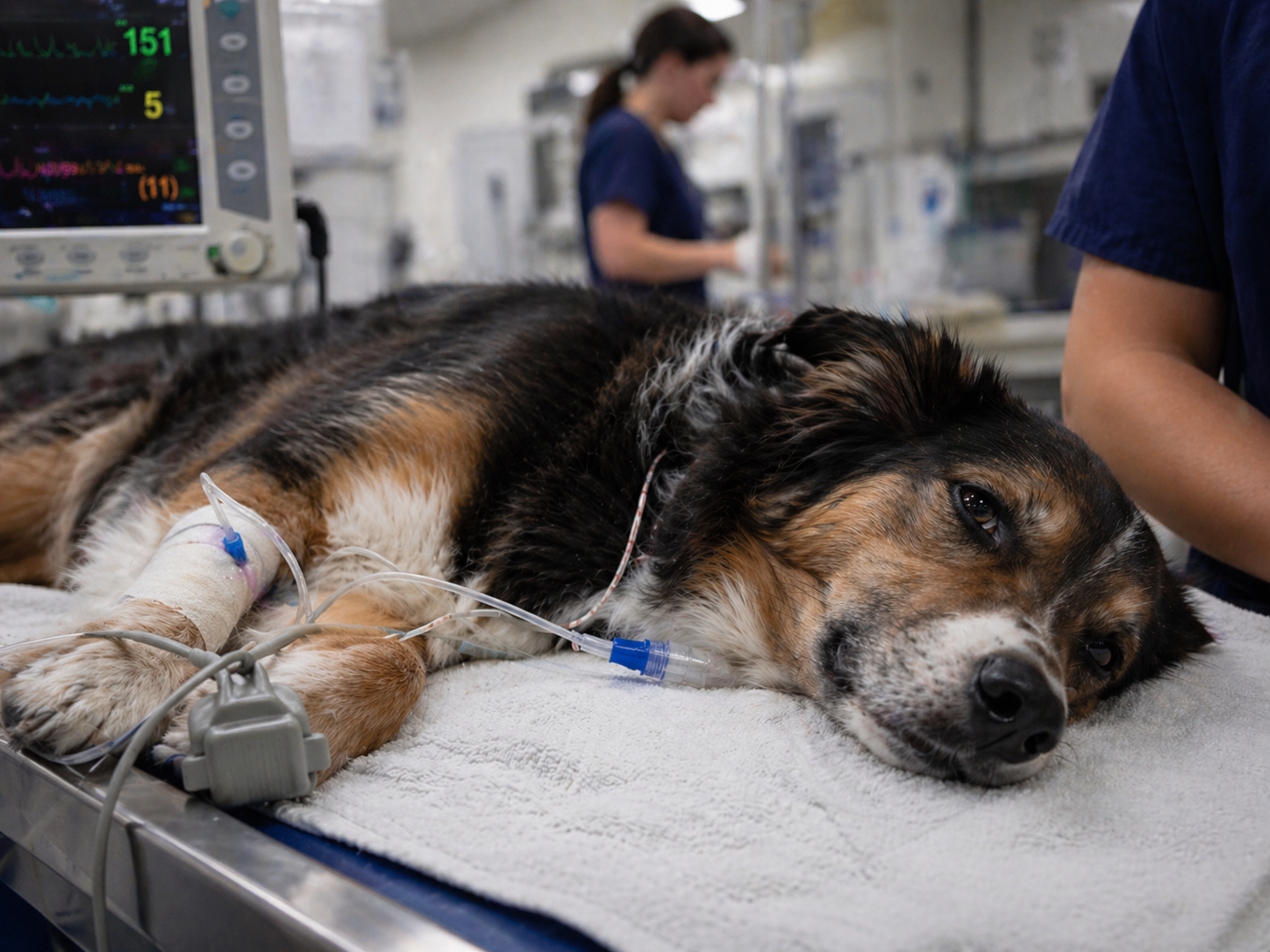
It is 11pm. Your dog just ate something off the kitchen counter. Maybe gum. Maybe half a grape. Maybe a protein bar. You are trying to figure out whether this is a wait-and-see moment or a get-in-the-car moment.
This article exists so you never have to start from zero. The Daily Dog exists because we learned dog nutrition the hard way after Hazel was diagnosed with kidney disease at 11 months old. These are the pantry items to know by name.
Chocolate
Chocolate danger is dose-dependent. It contains theobromine and caffeine, which dogs metabolize more slowly than humans. The Merck Veterinary Manual notes that dark chocolate and baking chocolate contain far more theobromine than milk chocolate, and signs can include vomiting, diarrhea, rapid breathing, elevated heart rate, tremors, and seizures. Any dog showing neurological signs needs immediate veterinary care.
Xylitol
Xylitol is a sugar alcohol used in sugar-free gum, some peanut butters, baked goods, mints, toothpaste, and low-sugar products. The ASPCA list of people foods to avoid feeding pets flags xylitol because it can cause a rapid insulin release in dogs, leading to vomiting, lethargy, loss of coordination, seizures, collapse, and possible liver failure.
Sugar-free peanut butter and protein bars are common hidden sources. Toxicity varies by product and dog size, so call your veterinarian, ASPCA Animal Poison Control at 888-426-4435, or the Pet Poison Helpline at 855-764-7661 right away. Our guide to how to read a dog food label walks through the label habit we want every dog owner to build.
Grapes and Raisins
ASPCA toxicologists now suspect tartaric acid, also found in cream of tartar, as the likely toxic component in grapes and raisins. Tartaric acid levels vary, which helps explain why reactions can be unpredictable.
Cornell’s Riney Canine Health Center says the exact toxic amount is still unknown and advises owners to never feed grapes, raisins, sultanas, Zante currants, or foods containing them to dogs. Vomiting, lethargy, and appetite loss may appear within hours, and acute kidney injury can develop later. Call your vet or a pet poison hotline rather than waiting for symptoms.
Onions, Garlic, and Related Plants
Onions, garlic, leeks, chives, and shallots all belong to the Allium genus. Raw, cooked, and dehydrated forms all count, and powders are easy to overlook in soups, sauces, broths, and seasoning blends.
According to the Merck Veterinary Manual’s Allium toxicosis guidance, these foods can damage red blood cells and cause hemolytic anemia. Signs may not appear for several days. Weakness, pale gums, elevated heart rate, dark urine, and collapse are warning signs.
For a broader pantry check, see our guide to dog food ingredients to avoid.
Macadamia Nuts
The mechanism behind macadamia nut toxicity is unknown, but the clinical effects are well documented. Weakness, lethargy, vomiting, tremors, and elevated body temperature are common signs. VCA Animal Hospitals notes that dogs receiving appropriate veterinary care are expected to recover within 24 to 48 hours.
Chocolate-covered macadamias and macadamia cookies stack toxins, so even a small handful should prompt a call to your veterinarian.
Alcohol
Dogs are far more sensitive to alcohol than humans are. Raw yeast dough is especially dangerous because it can expand in the stomach while producing alcohol as it ferments.
The ASPCApro guidance on ethanol and yeast dough intoxication explains that fermentation can continue inside a pet’s stomach. Signs can include vomiting, diarrhea, poor coordination, difficulty breathing, low body temperature, tremors, coma, or death.
Caffeine
Caffeine shows up in coffee, tea, energy drinks, diet pills, and some pain relievers. It is also part of the methylxanthine family that makes chocolate dangerous. Signs include restlessness, rapid breathing, heart palpitations, muscle tremors, and seizures. Keep coffee grounds out of the trash and energy drink cans off side tables.
Cooked Bones
Cooked bones can splinter, choke a dog, break teeth, injure the mouth, block the intestines, and become surgical emergencies. VCA Animal Hospitals explains why bones are not safe for dogs, including the risk of obstruction that may require surgery.
If your dog has eaten a cooked bone, call your veterinarian even if they seem fine. Raw bones carry risks too, including bacterial contamination, dental fractures, choking, and obstruction.
Fatty Table Scraps and Pancreatitis Risk
Fatty table scraps send dogs to the ER regularly, especially around holidays. They can trigger pancreatitis, an inflammation of the pancreas that ranges from mild to life-threatening. VCA Animal Hospitals notes that treatment often focuses on prompt medical care, pain control, nausea control, and a low-fat, easy-to-digest diet.
Vomiting, appetite loss, abdominal pain, and a hunched posture are warning signs. Keep turkey skin, gravy, butter, bacon, and rich leftovers away.
If you want safer sharing options, start with our guide to healthy snacks for dogs instead of guessing from the table.
Call the Vet Now vs Watch at Home
Call your veterinarian or a pet poison hotline immediately if your dog has eaten any amount of xylitol, grapes, raisins, currants, sultanas, raw yeast dough, or alcohol. Call right away if they are vomiting, collapsed, unable to stand, tremoring, seizing, showing pale gums, or breathing with difficulty.
Ask your vet about monitoring at home only when exposure was tiny and your dog is acting normal. ASPCA Animal Poison Control is 888-426-4435. Pet Poison Helpline is 855-764-7661. A consultation fee may apply.
When in doubt, call.
Know Before You Share
The impulse to share food with your dog comes from love. But these foods show up in normal kitchens, lunch bags, holiday meals, and backpacks. Check the label before you hand over a bite.
The 11pm Googling scenario is avoidable. If you are also checking whether a product has been pulled from shelves, our guide to dog food recalls explains where to look first.
If your dog ate something not on this list and you are worried, call your veterinarian, ASPCA Animal Poison Control at 888-426-4435, or the Pet Poison Helpline at 855-764-7661.
This article is for general educational purposes and is not veterinary medical advice.

Tyler Tilton
I do not write surface-level dog advice. When our dog got sick, I learned the hard way that most of what is out there is recycled, watered down, or just wrong. I started The Daily Dog to be the resource I could not find, the one that goes deeper, asks harder questions, and gives you the full picture so you can make real decisions for your dog.
